


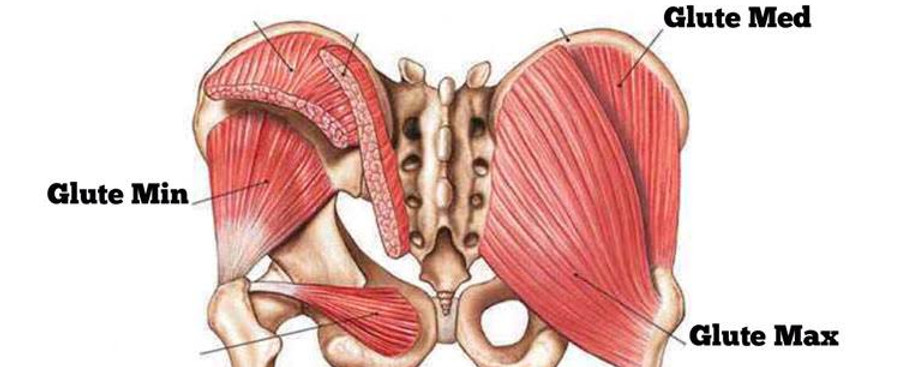
Gluteal pain refers to discomfort in the muscles of the buttocks, which can range from a dull, persistent ache to sharp, localized pain that affects how you sit, walk, or move. The gluteal muscles play a major role in stabilizing your pelvis, supporting your hips, and powering movements like walking, running, climbing stairs, and standing up from a seated position. When these muscles are injured, overworked, or dysfunctional, the pain can be debilitating and difficult to pinpoint.
People often describe gluteal pain as a deep ache in one or both sides of the buttocks. It might hurt when you sit for long periods, especially on hard surfaces, or when you lie on the affected side at night. Activities like walking uphill, running, or squatting can make it worse. The pain may stay localized to the gluteal region or radiate down the back of the thigh, which can sometimes be mistaken for sciatica. Weakness or difficulty with single-leg activities like climbing stairs or standing on one foot is also common.
Gluteal pain is often overlooked or misdiagnosed because the symptoms can mimic other conditions. Understanding the source of the pain is key to addressing it effectively.
What Causes Gluteal Pain?
Gluteal pain can develop for a number of reasons:
-
Muscle strains from sudden movements, overexertion, or poor mechanics
-
Gluteal tendinopathy or tendon irritation, often from repetitive hip movements or overloading
-
Piriformis syndrome, where the piriformis muscle tightens or spasms and compresses nearby nerves
-
Bursitis or inflammation of the bursa around the hip joint
-
Weakness or underuse of the gluteal muscles, leading to compensatory strain
-
Poor movement patterns that place excessive demand on the glute
-
Prolonged sitting or inactivity that weakens and tightens the muscles
-
Referred pain from the lower back, SI joint, or hip joint
-
Imbalances between the glutes, hip flexors, and core muscles
Sometimes the pain develops after a specific event like lifting, running, or twisting awkwardly. Other times it builds gradually from repetitive stress, poor posture, or lack of proper conditioning.
When Gluteal Pain Becomes Chronic
Gluteal pain that lingers beyond a few weeks can become more complicated to resolve. Chronic gluteal pain often involves not just the muscles themselves but also how the hips, pelvis, and lower back work together. Weakness, altered movement patterns, and compensatory strategies can all contribute to ongoing discomfort. If left unaddressed, it can limit your ability to stay active and affect your quality of life.
When to Seek Help
If gluteal pain is affecting your ability to sit comfortably, walk without discomfort, or participate in activities you enjoy, it's time to address it. Early assessment and treatment can prevent the issue from becoming chronic and help you regain normal function.
Living With Gluteal Pain
Gluteal pain responds well to targeted treatment. Strengthening weak muscles, addressing movement dysfunction, and reducing strain on overworked tissues can help you recover and prevent recurrence. At Kevlar Performance & Rehab in Burlington, we work with people dealing with gluteal pain to help them move better and feel better.